
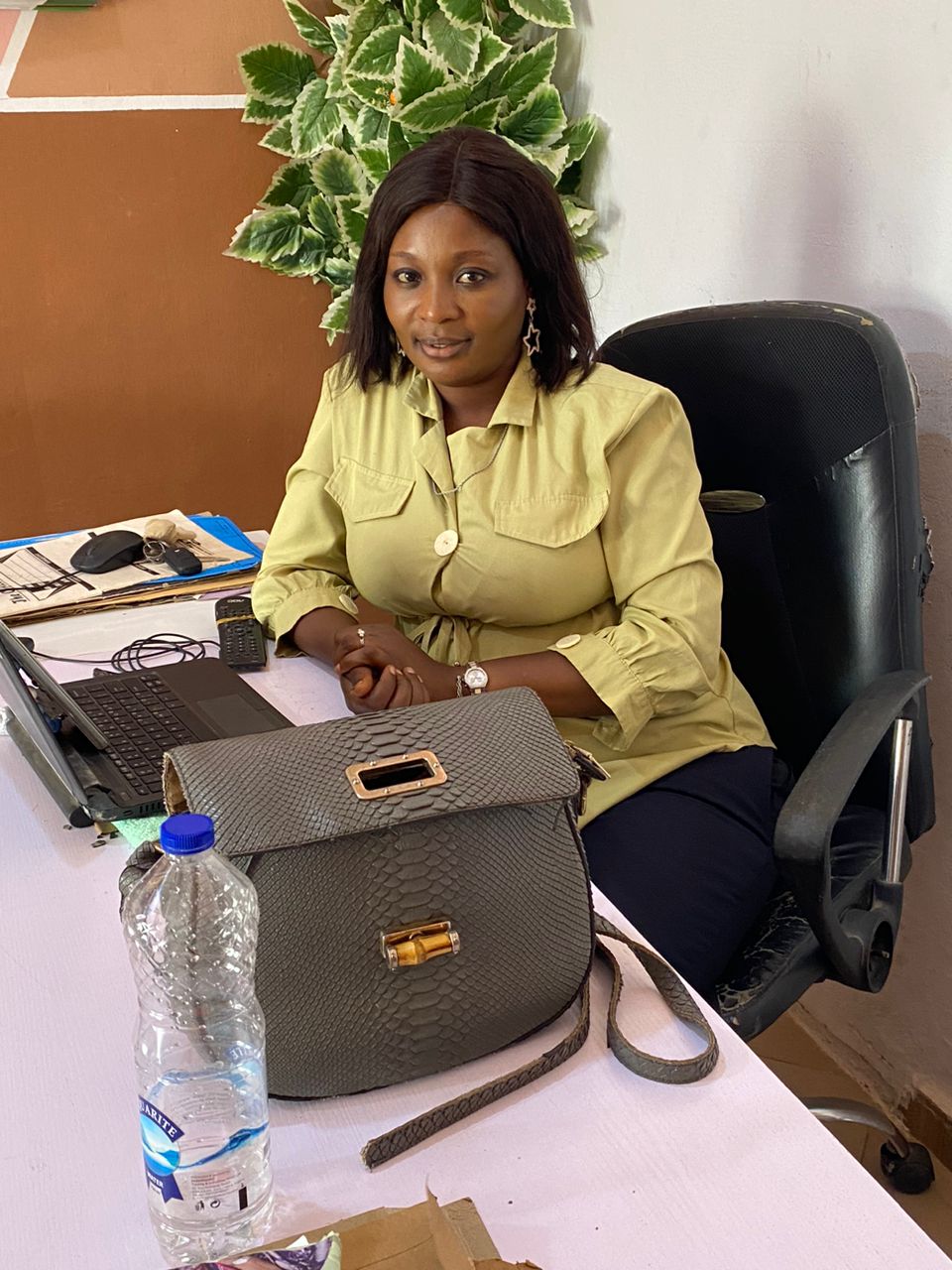
Why buyers in Nigeria need someone who walks the land
Buying trusted properties in Nigeria starts with one rule: never buy land you have not personally walked or had a licensed surveyor walk for you. Documents can be forged, family histories can be edited, and "agents" can sell the same plot to three different families in a single weekend. Walking the land — with a surveyor who knows the area — is what turns a hopeful purchase into a safe one.
Larrit survey and properties is the personal practice of Surveyor Tobi, a licensed property surveyor based in Akobo, Ibadan, working across Oyo State and the wider South-West. Buyers, diaspora investors and landowners come to Larrit survey and properties for one reason: every plot is checked on the ground before it is recommended, and clients deal directly with the surveyor — not a call centre, not a middleman, not an "agent of an agent". This guide collects the same advice Surveyor Tobi gives clients in person, so you can recognise a safe deal before you put money down.
Why trust matters when buying land in Nigeria
Trust matters because most Nigerian land disputes come from three avoidable problems: fake titles, hidden encumbrances, and Omo-Onile claims that surface after payment. A trusted property is not just one that looks good in photos — it is one whose paperwork, boundaries and history have been independently verified.
Common pitfalls Nigerian land buyers face:
- Fake or duplicated titles. The same Certificate of Occupancy number printed across multiple deeds, or "family land" being sold without the consent of all principal members.
- Encumbrances. Land already pledged as collateral, subject to a court case, or earmarked for government acquisition under the Land Use Act of 1978.
- Omo-Onile claims. Members of the original landowning family arriving on site months after purchase to demand additional "foundation fees" or "roofing fees".
- Boundary creep. Plots sold as 50 x 100 ft that measure 42 x 88 ft once a real surveyor pegs them out.
Working with a licensed property surveyor shifts the risk away from you. The surveyor reads the title, runs a search at the Oyo State Ministry of Lands, checks for adverse claims with the community, walks the perimeter with a GPS unit, and confirms the seller is the person actually empowered to sell. That is what "trusted properties Nigeria" should mean in practice — not a slogan, but a checklist that gets ticked one item at a time.
How to buy land in Oyo State: a six-step process
To buy land safely in Oyo State, follow six steps in order: define budget and area, shortlist plots, verify the title, survey the boundary, sign a deed, and register the transaction at the Ministry of Lands. Skipping any step is where most buyers lose money.
Step 1 — Identify your budget and target area
Start with a realistic budget that includes the plot price plus survey fees, legal fees, agency commission (usually 5–10%), Omo-Onile settlement where legitimate, registration, and a buffer for fencing. As a rough Ibadan guide for 2026: peri-urban plots in Moniya, Akinyele, Egbeda and Lalupon start around ₦2–6 million per plot; mid-tier areas like Akobo, Olorunda Abaa and parts of Apata sit between ₦8–20 million; prime estates in Jericho, Bodija and Oluyole can run from ₦35 million upwards. Choose an area whose price band matches both your budget and your timeline.
Step 2 — Shortlist plots, then visit each one
Listings online are a starting point, not proof. Visit each shortlisted plot at least twice — once in dry season and once after rain if possible — to spot flooding, swampy patches, and access road quality. Talk to two or three nearby residents. Ask who owns the adjacent compounds. If the answers contradict the seller's story, walk away.
Step 3 — Verify the title at the Oyo State Ministry of Lands
Once you have a preferred plot, request the seller's title document and conduct an independent search at the Oyo State Ministry of Lands and Housing. The search confirms whether the title exists, who it is registered to, and whether the land falls under any acquisition or government scheme. A legitimate seller will welcome this — a problematic seller will rush you past it.
Step 4 — Conduct a fresh perimeter survey
Never rely solely on the seller's survey plan. Commission your own perimeter survey from a registered surveyor. The new survey establishes the true coordinates of each beacon, confirms the plot's exact size, and produces a survey plan that bears your name. This is the single most important step in protecting yourself from boundary disputes later. Larrit survey and properties carries this out in-house for clients across Oyo and the South-West.
Step 5 — Sign a Deed of Assignment and pay through traceable channels
Once the title and survey check out, your lawyer should prepare a Deed of Assignment naming the seller, the buyer, the consideration, the plot description, and at least two witnesses. Pay in bank transfers or drafts — never large cash payments — so a paper trail exists if the matter is ever litigated.
Step 6 — Register the transaction and apply for Governor's Consent
The final step is registering the Deed at the Lands Registry and, where applicable, applying for Governor's Consent. Registered title gives you priority against later claims and is what banks and the courts recognise. Many buyers stop after Step 5 and discover years later that an unregistered deed is worth far less than they assumed.
Top locations for land investment in Ibadan and Oyo
The strongest land investment locations in Ibadan today combine three factors: tarred access, proximity to a planned or existing growth corridor, and a clean title chain. A few areas that consistently meet that bar:
- Akobo & Olorunda Abaa. Established, residential, well-served by schools and small commerce. Strong rental demand. Good for first-time buyers and end-users.
- Moniya & Akinyele. The growth corridor along the Ibadan–Oyo expressway. Affordable plots near Ibadan for buyers willing to hold for 3–5 years as infrastructure spreads northward.
- Iseyin. Worth watching for medium-term agricultural and mixed-use land, especially with the Ibadan–Iseyin road upgrades and food-corridor activity.
- Jericho, Bodija & Oluyole. Mature, premium districts. Higher entry price, lower yield growth, but the safest in terms of title clarity and resale liquidity.
- Egbeda & Lalupon. Quietly catching up; affordable peri-urban plots for buyers comfortable with longer hold periods.
The best community for you depends on whether you are buying to build now, to hold for capital gain, or to develop for rental. Larrit survey and properties matches buyers to communities based on that intent — not on whichever plot pays the highest commission.
Frequently asked questions
Is it safe to buy land in Nigeria?
Yes, it is safe to buy land in Nigeria when you verify the title at the state lands ministry, conduct a fresh perimeter survey, confirm the seller’s identity, and pay only after due diligence. Most land disputes in Nigeria come from skipping one of those steps — not from buying land itself.
What documents do I need to buy land in Oyo State?
At a minimum you need a Survey Plan, a Deed of Assignment, the seller’s title document (Certificate of Occupancy, Governor’s Consent, or registered Deed), evidence of payment of land use charge, and a search report from the Oyo State Ministry of Lands. A purchase receipt and two reliable witnesses to the agreement are also expected.
How much does a land survey cost in Ibadan?
A standard residential perimeter survey in Ibadan typically costs between ₦150,000 and ₦450,000 depending on plot size, location, terrain, and whether registration at the lands ministry is included. Larger or commercial plots, layouts, and topographic surveys cost more. Always ask for a written quotation before paying.
Who are Omo-Onile and how can I avoid them?
Omo-Onile (literally "sons of the land") are descendants of original landowning families who often demand extra fees from buyers — sometimes legitimately, often not. You can avoid Omo-Onile problems by buying from estates with a registered title, refusing to pay informal levies in cash, insisting on a written agreement with the family head, and using a licensed surveyor to confirm boundaries before you build.
Why choose Larrit survey and properties over other real estate companies?
Larrit survey and properties is the personal practice of Surveyor Tobi — a licensed property surveyor based in Akobo, Ibadan. You speak directly with the surveyor, not a call centre. Every property is walked, measured and verified personally before it is recommended, and you receive an honest "do not buy" when due diligence fails. That direct accountability is the difference.
What clients say
"Surveyor Tobi told me not to buy the first plot I picked. He'd already gone to the site, talked to two neighbours, and seen something off in the family history. Six months later the seller was in court. I would have lost everything."
— O. Adebayo, diaspora investor (London → Ibadan)
"Honest pricing, honest survey, no surprise fees on closing day. I have recommended Larrit to three colleagues at work and all three are now landowners."
— M. Okonkwo, first-time buyer, Akobo
"What I appreciated most: when the title didn't check out, they said so plainly. That kind of straight talk is rare in this market."
— B. Salami, family trustee, Moniya
Talk to a property surveyor before you commit
If you are about to buy land in Oyo State — or anywhere in the South-West — book a free 15-minute consultation with Surveyor Tobi before you sign anything. You will leave with a clear checklist for your specific plot, an honest read on the title, and a quote if you would like Larrit survey and properties to handle the survey and registration.